DoxyPEP arrives on the UK high street, and it is still free on the NHS
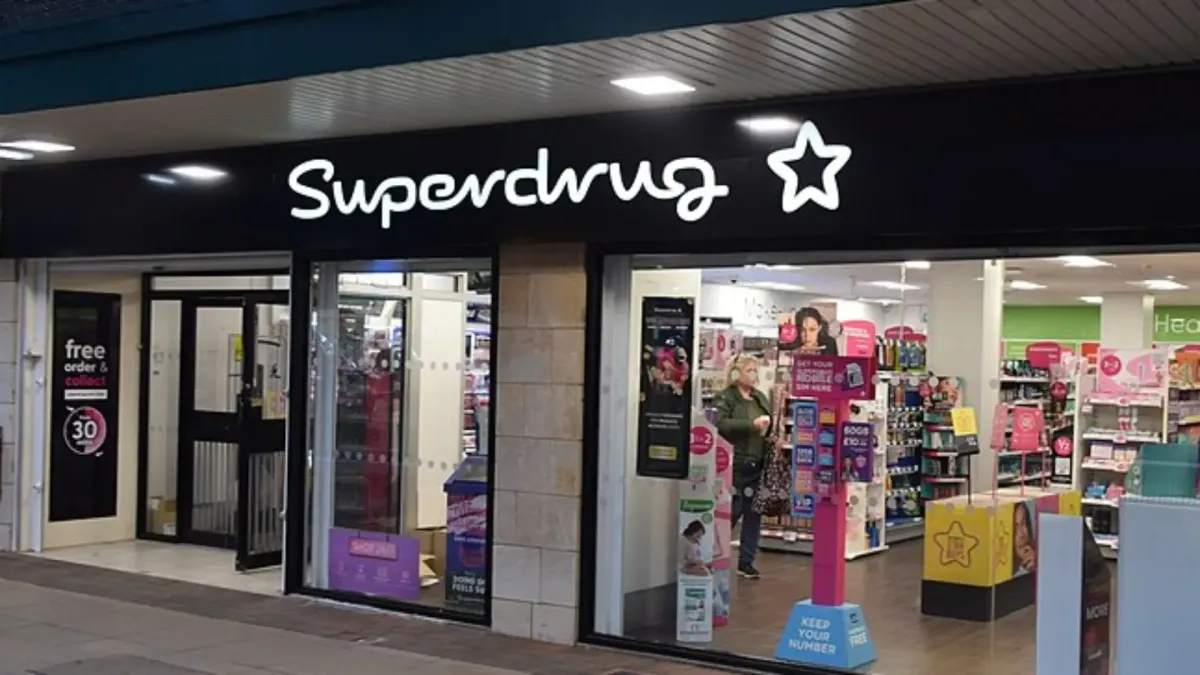
Superdrug has become the first UK high street retailer to sell doxycycline post-exposure prophylaxis, a year on from Britain becoming one of the first countries in the world to issue formal guidance on it. The pills cost from £10.99. At a sexual health clinic they cost nothing
Superdrug has become the first UK high street retailer to offer DoxyPEP, the preventative antibiotic that cuts the risk of picking up syphilis and chlamydia by roughly seventy per cent, making it available through its Online Doctor service to anyone who completes a consultation and gets past a clinician's assessment. Two tablets will set you back £10.99, four will cost £14.99, and twenty come in at £19.99, which is about a pound a dose at the larger quantity and considerably less than most people spend on the night out that precedes needing them.
The basics, for anyone who has heard the acronym without ever quite pinning it down, are these. DoxyPEP is doxycycline taken as a single 200mg dose after condomless sex, ideally within twenty four hours and no later than seventy two, and it works against bacterial infections rather than viral ones. It is not PrEP, although the naming convention has done nobody any favours. PrEP is taken before sex and protects against HIV. DoxyPEP is taken afterwards and does nothing whatsoever about HIV, hepatitis B, or anything else that is not a bacterium, which is why every clinician who discusses it in public spends most of the interview reminding people that it sits alongside condoms, vaccination and regular testing rather than replacing any of them.
Dr Babak Ashrafi, a GP at Superdrug Online Doctor, made the point in the company's announcement that awareness of PrEP has climbed steeply over the past few years while DoxyPEP remains largely unknown outside the circles that follow sexual health research for fun, and he was careful to stress that this is not a product intended for the general population but for groups already known to be at higher risk, with eligibility assessed before anything is prescribed.
The evidence, and where it thins out
The British Association for Sexual Health and HIV published national guidance in June 2025, making the UK one of the first countries anywhere to give clinicians a formal framework for prescribing it, and that guidance is specifically about preventing syphilis. The wider evidence base is stronger than the cautious framing sometimes suggests, with three randomised controlled trials showing significant reductions in chlamydia and syphilis and two of them also showing a reduction in gonorrhoea, but the trials were overwhelmingly conducted in gay and bisexual men and trans women.
That leaves a gap, and it is worth naming rather than glossing. Evidence for cis women, trans men and other people assigned female at birth rests on a single study, which is why it is not routinely recommended for them here, although San Francisco's public health department moved in May of this year to recommend it more broadly on the strength of newer data. The absence of evidence is a failure of who gets studied, not a statement about who deserves protection, and the sooner the research catches up the better.
The genuine open question is antimicrobial resistance. Doxycycline is a broad spectrum antibiotic, it alters the microbiome, and handing it out repeatedly to a population that is by definition having a lot of sex raises the possibility of driving resistance both in gonorrhoea and in bacteria that have nothing to do with sex at all. The evidence on this is limited rather than reassuring, which is not the same as evidence of harm, and it is the reason several European countries have issued cautious position statements while most have said nothing at all and quietly waited for someone else to go first. Meanwhile people have been sourcing doxycycline informally for years without waiting for a guideline, which is what always happens when a cheap and effective intervention exists and the institutions responsible for it are still forming a working group.
What the numbers actually show
There were 9,535 diagnoses of early stage syphilis in England in 2024, a two per cent rise on the year before, and 13,030 diagnoses once later stage infection and complications are included, a five per cent rise. Gonorrhoea moved the other way, falling sixteen per cent to 71,802, with the steepest drop among fifteen to twenty four year olds. Set against that, diagnoses of ceftriaxone resistant gonorrhoea have been accelerating, some of them resistant to second line treatment as well, which is the uncomfortable context in which any conversation about wider antibiotic use has to happen.
The UK Health Security Agency now splits its quarterly syphilis and gonorrhoea figures between gay and bisexual men and everyone else, a change made explicitly so that it can track the effect of DoxyPEP and the gonorrhoea vaccine, both of which arrived in summer 2025. In the third quarter of last year infectious syphilis diagnoses fell to an estimated 1,860, of which 1,170 were in gay and bisexual men, down from 2,090 and 1,290 the previous quarter. The data is provisional, almost certainly an undercount, and far too early to hang a conclusion on. It is also going in exactly the direction you would want.
The bit worth remembering
DoxyPEP is free from NHS sexual health clinics. It has been since the guidance landed, and clinics across England have been rolling it out through patient group directions written for the purpose. Nobody at Superdrug is pretending otherwise, and £19.99 for twenty doses is not price gouging by any reasonable measure.
What the announcement really documents is the gap that a retail chain has spotted. Councils commission open access sexual health services out of the public health grant, which for 2026 to 2027 stands at £4.404 billion and comes as the first three year settlement in a decade, a genuine improvement that nonetheless follows years of real terms reduction and a rise in demand that local government has been warning about since the middle of the last decade. When a service is stretched, convenience becomes a product, and someone will sell it to you.
So the practical advice is unglamorous. If you can get to a clinic, go, because it costs nothing and comes attached to the testing that DoxyPEP does not replace. If your nearest clinic has a three week wait and you had sex on Saturday, the option now exists behind a website you already have an account with, which is not a substitute for a properly funded service but is meaningfully better than the alternative of doing nothing and hoping.