Manchester Pride: What you need to know this year
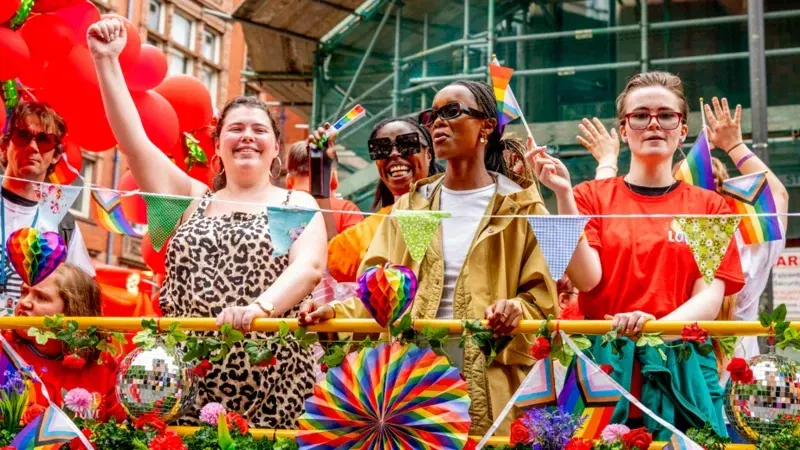
Manchester's Pride opened Friday at the start of the August bank holiday weekend, in the Gay Village, which is where it began in 1985, and it does so under a different name, a different legal structure and a substantially reduced budget. Manchester Village Pride runs from Friday 28 to Monday 31 August, with gates at six o'clock tonight, midday on Saturday and Sunday, and ten in the morning on the Monday for the community and family day. The theme is No Place Like Home, chosen after consultation with the city's LGBTQ+ community, and it does a certain amount of quiet work: this is the first Pride weekend since the organisation that ran the event for two decades went into liquidation owing money to a great many of the people who made it happen.
The essentials
- Friday 28 to Monday 31 August, centred on Canal Street and the surrounding Village streets, with the vigil at Sackville Gardens.
- Weekend wristbands in the final release are £40, day tickets £25, low income tickets £5 a day, and essential companion tickets free. Monday is free to everybody.
- The parade sets off from Liverpool Road at midday on Saturday and runs via Deansgate, Peter Street, Oxford Street, Portland Street and Whitworth Street into the Village, finishing around four o'clock.
- Performing across the weekend are B*Witched, who stepped in after Nadine Coyle withdrew, alongside Danny Beard, Gareth Gates, Meek, Cascada, Kate Nash and Rowetta, plus a long roster of Manchester DJs, drag performers and local acts.
- A new Pride Fringe runs across the city with film, comedy, club nights, exhibitions and walking tours.
- The organiser is Manchester Village Pride CIC, a community interest company formed in February with unpaid volunteer directors and £120,000 of start-up loans from Village venues.
What happened to the old Pride
Manchester Pride Ltd went into voluntary liquidation in October last year, having sought legal advice in early September when ticket sales for that August's festival came in below expectations. The board blamed rising costs, falling ticket sales and an ambitious refresh of the format, which in practice meant moving the main music programme out of the Village and over to Depot Mayfield for a new Mardi Gras event. The losses from Mardi Gras swallowed the profits from the Gay Village Party, and an unsuccessful bid to host EuroPride 2028, which went to Clare and Limerick instead, removed the revenue the board had been counting on to steady the ship. A loss of around £468,000 in 2023 had already suggested the model was under strain.
The figures that followed were worse than most people expected. A report by the restructuring firm KR8 Advisory listed roughly £1.3 million owed to performers and suppliers, including £145,775.75 to Nelly Furtado's production company, £48,000 to a company linked to Olly Alexander, £330,329 to the operator of Mayfield Depot, £167,892 to a security contractor and £47,330.40 to St John Ambulance. Reporting at the time of the announcement put total creditors across the charity and its events subsidiary at more than £3.14 million. Equity has said around fifty of its members were collectively owed about £70,000, most of them drag artists and cabaret performers based in the city, several of whom went public about being unable to pay rent over Christmas.
The Charity Commission opened a compliance case. Andy Burnham called the situation sad and regrettable. The council leader, Bev Craig, promised the city would work to make sure Pride happened again. In January the liquidators put the Manchester Pride and Mardi Gras trademarks, the website, the merchandise and a historical ticket-buyer database up for sale through Gordon Brothers to recover a debt listed at £230,000.56, and Equity entered a symbolic bid of one pound on the grounds that the brand should not be sold to anyone who might exploit the workforce again. There has been no public confirmation of who ultimately took the assets, and no indication that the 2025 creditors have seen their money.
What is different this year
Manchester Village Pride CIC is not a charity and does not have shareholders. It is a community interest company, which means any surplus is legally locked in for community benefit and cannot be taken out as profit, and its directors are unpaid. It launched with backing from the city council, Marketing Manchester, CityCo and, notably, Equity, and it has published a transparency dashboard showing ticket sales, costs and projected charitable surplus.
The most consequential change is the smallest to look at. Organisers have signed an agreement with Equity guaranteeing fair pay, proper fees and professional working conditions for performers, described as the first union agreement of its kind at a UK Pride, and the promise attached to the main stage is blunt about what it replaces: no exposure payments and no unpaid invoices. Given that unpaid invoices are the reason the previous organisation no longer exists, that is the whole argument in a sentence.
Prices have come down accordingly. Last year's tickets ran from £35 to £110 depending on what you wanted access to. This year the weekend wristband tops out at £40, day tickets are £25, and Monday, which carries the community and family day and the candlelit vigil, costs nothing at all, on the stated reasoning that the vigil belongs to everyone regardless of what is in their bank account. Organisers have been at pains to explain that a wristband is still required for the Village itself, because for four days the area legally becomes a live event space with a licensed perimeter.
The line-up has been trimmed to match. In a statement in mid-August the organisers noted that booking the entire weekend of artists had cost £20,000 less than the fee paid to a single headliner in 2025, which is either a boast or an indictment depending on which year you are looking at. B*Witched and Cascada are not Ariana Grande, who played the city's Pride in 2019, and the programming leans much more heavily on Manchester's own performers than it has for years.
The bit that has not changed
On Monday night the music stops and the crowd walks to Sackville Gardens for the George House Trust vigil at the Beacon of Hope, to remember those lost to HIV and Aids. It is the part of the weekend that most other Prides do not have, it has survived every change of management, and this year it is free to attend, which is probably the clearest statement of intent the new organisation has made.
Anyone travelling should note that the parade brings some of the most extensive city centre road closures of the year, from six in the morning until seven in the evening on Saturday, with bus diversions and tram delays across the weekend. The council has also pointed out that Manchester United's first home game of the season falls on the same weekend, so the trams will be interesting.