Trans federal workers sue Trump administration over gender-affirming care coverage ban
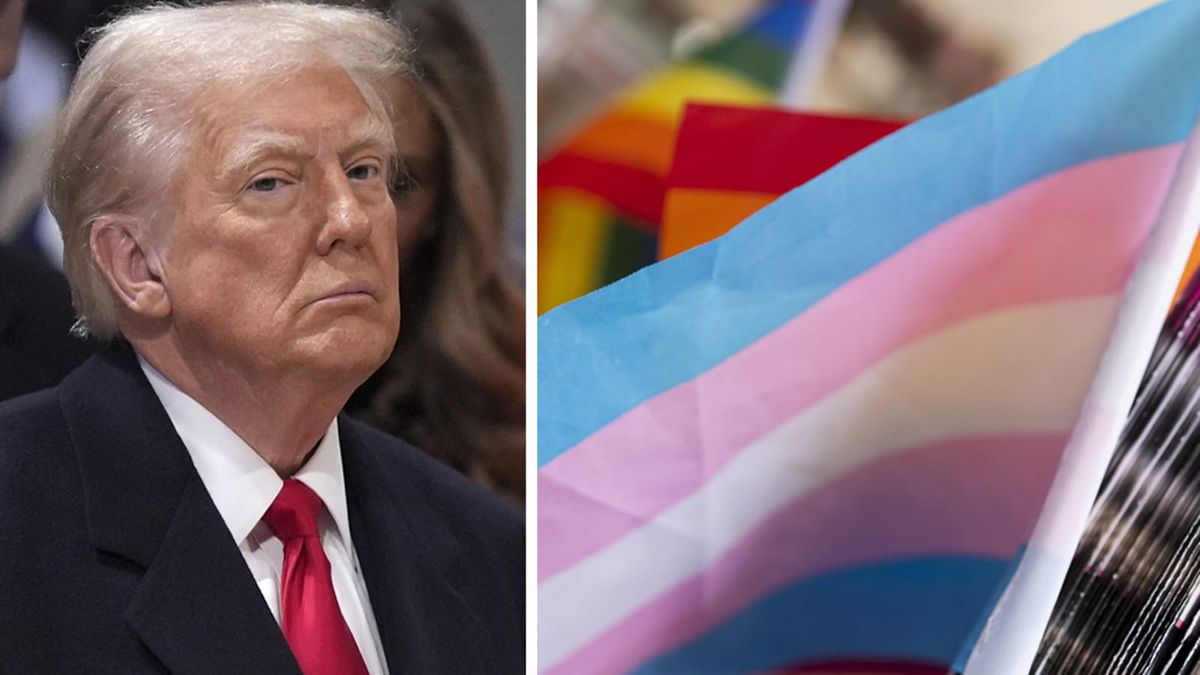
Five transgender federal employees have launched a proposed class action lawsuit against the Trump administration, challenging a policy that has quietly stripped gender-affirming care from the health insurance plans covering federal workers, retirees, US Postal Service employees and their families.
The case, filed in the US District Court for the District of Columbia and backed by the Human Rights Campaign Foundation, centres on a directive issued by the Office of Personnel Management earlier this year instructing insurance carriers to eliminate coverage for what the administration terms the "chemical and surgical modification of an individual's sex traits". In practice, that has meant hormone therapy, bloodwork, routine monitoring and gender-affirming surgery being carved out of plans that continue to cover the very same treatments when prescribed for other conditions, whether that's hormone replacement for menopause or surgery following a cancer diagnosis. The exclusion applies whether the person affected is an employee, a spouse or a child.
The lawsuit argues this selective denial breaches Title VII of the Civil Rights Act of 1964, which prohibits employment discrimination on the basis of sex. The plaintiffs lean on the Supreme Court's 2020 ruling in Bostock v. Clayton County, which established that discriminating against someone for being transgender is, by definition, discrimination because of sex. Federal health insurance, the complaint notes, is a term and privilege of employment like any other, and one the government cannot legally ration according to whether a patient happens to be trans.
Behind the legal argument sit five very human stories. Gregory Goe, a State Department employee who has been on hormone therapy since 2018, is facing more than one hundred thousand dollars in costs after his doctor-recommended, medically necessary surgery was quietly dropped from cover, and his surgeon won't schedule the procedure without insurance behind it. Charlotte Coe, also at the State Department, has lost coverage not just for hormones but for the bloodwork, annual exams and postoperative care that go with them. Patrick Poe, who works for the Postal Service, covers his transgender daughter on his plan, and says continuing her care without insurance could force the family to drain its savings entirely.
The complaint also takes aim at the administration's supposed olive branch, a temporary exception for people already "mid-treatment", pointing out that the government has never clearly defined who actually qualifies. That ambiguity is set to become moot regardless, since insurers are reportedly required to eliminate those exceptions altogether from 2027.
The Williams Institute at the UCLA School of Law estimates that around 39,400 transgender federal employees, retirees and dependents could be affected by the policy, roughly a third of them federal workers themselves, a third their dependents, and the remainder retirees and their families.
"Our message to the Trump administration is simple," said Human Rights Campaign Foundation President Kelley Robinson. "We'll see you in court."
This is not the administration's first pass at the issue. HRCF had already raised objections through an Equal Employment Opportunity Commission complaint back when the policy was first announced, with Robinson arguing at the time that the change "is not about cost or care" but about pushing trans people and their families out of the federal workforce altogether. With that route exhausted, the fight now moves to the courts, where the lawsuit seeks both an injunction to restore coverage and damages on behalf of the plaintiffs and the wider class of federal workers affected.