Burnham on Trans rights and Gaza
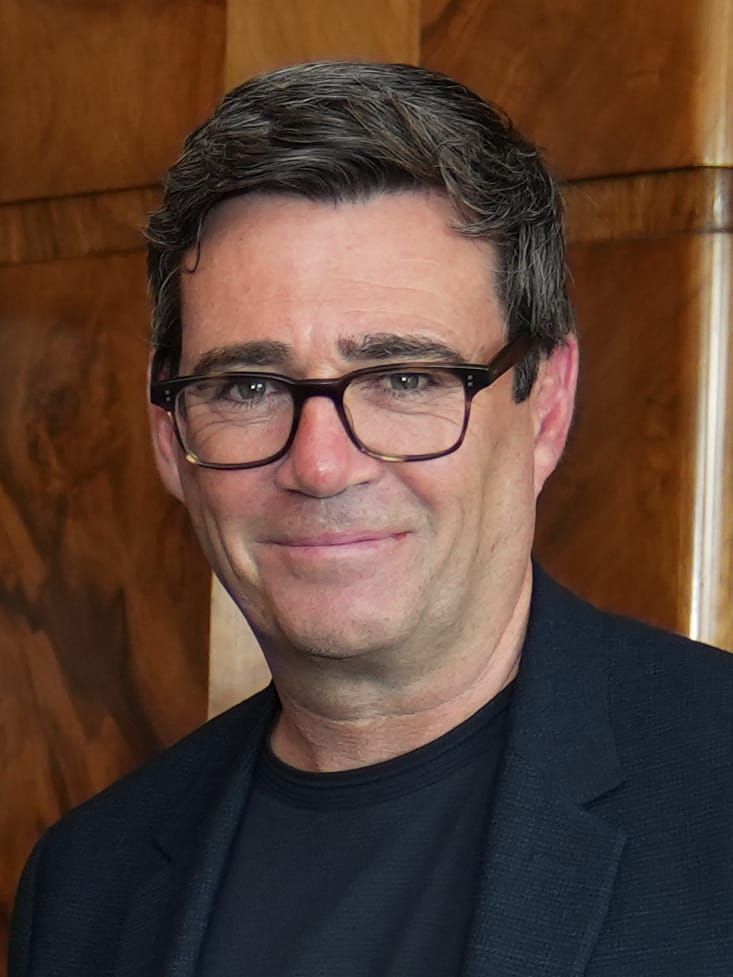
There are two Andy Burnhams, and the distance between them tells you almost everything about the kind of leader he would be. The first is the man who stood up at Manchester Pride and said, without hedging, that he supports trans rights and wants that on the record. The second is the man who, asked by the Guardian this month whether Israel is committing genocide in Gaza, replied that he could not judge a thing of that enormity from where he sits as mayor of Greater Manchester. The first Burnham is brave. The second is careful. The whole trick of reading him lies in working out which one turns up when the stakes are at their highest.
Start with the brave one, because he is real and he is rare. On trans rights Burnham has done the thing most of his party has spent two years strenuously avoiding, which is to keep saying the supportive thing long after it stopped being free to say. He built structures in Manchester to listen to LGBTQ residents, pulled funding from conversion-therapy quackery, and when the Supreme Court handed the gender-critical lobby its long-awaited ruling, he declined to fall meekly into line, calling the new guidance confusing and defending a live-and-let-live settlement that is going out of fashion by the week. Wealthy backers withdrew their money over it. He carried on regardless. For a politician with a leadership bid to nurse, that is not nothing; it is a small act of courage performed repeatedly in public.
Now the careful one. On Gaza, Burnham's record is a masterclass in leaning two ways at once. To his credit, he was among the earliest senior Labour figures to break with Keir Starmer and call for a ceasefire in the autumn of 2023, alongside Sadiq Khan and Anas Sarwar, at a point when doing so still carried a real cost inside the party. He has supported recognition of a Palestinian state, condemned the illegal settlements, and appealed to Mancunians to fund medical aid for a population whose suffering he described as beyond words. Set against the leadership's stonewalling, all of that reads like principle.
Look closer, though, and the hedge is forever present. That same ceasefire statement granted Israel the right to take what it called targeted action within international law, a phrase made to do an enormous amount of quiet work as the death toll climbed beyond seventy thousand. He joined Labour Friends of Israel, once dismissed the boycott movement as spiteful, and now, with the world's leading body of genocide scholars having formally concluded that the word applies, he reaches instead for the softer vocabulary of disproportion, investigation and accountability. It is the language of a man who would like the moral credit for concern without the political bill that comes with naming the crime.
This is the pattern queer readers should sit with for a moment, because it is the same instrument simply tuned to two different settings. Where his own moral community is watching, where the people asking are the trans kids and their parents and the activists he greets at Pride, Burnham finds his voice and holds it steady. Where the cost falls on people further from his constituency and his conscience, on Palestinians whose deaths register to Westminster as a foreign-policy headache rather than a domestic promise, the voice thins into process. His courage is sincere, and it is rationed.
For a movement that increasingly marches beneath the Palestinian flag, that ought to give pause. The case for queer solidarity with Palestine was never that Gaza is some haven for gay people, because it plainly is not. The case is that liberation is indivisible, that a politics which sorts human beings into those whose suffering must be named and those whose suffering can be quietly managed will, in the end, come round for us as well. Burnham practises a divisible version of that politics. He will defend the queer citizen at home and decline to indict the bombing abroad, and he appears to see no contradiction sitting between the two.
None of this makes him the enemy. It makes him human, and ambitious, and a good deal more decent than most of the alternatives now jostling to replace a failing prime minister. But it is worth knowing, before we pour too much hope into him, which Burnham we are actually being handed. The one who shows up for us at Pride is the one we are inclined to love. The real question, should he ever reach Downing Street, is whether the careful one starts showing up for everybody else.