Don Lemon brands Black and gay MAGA supporters "self-hating pick-mes"
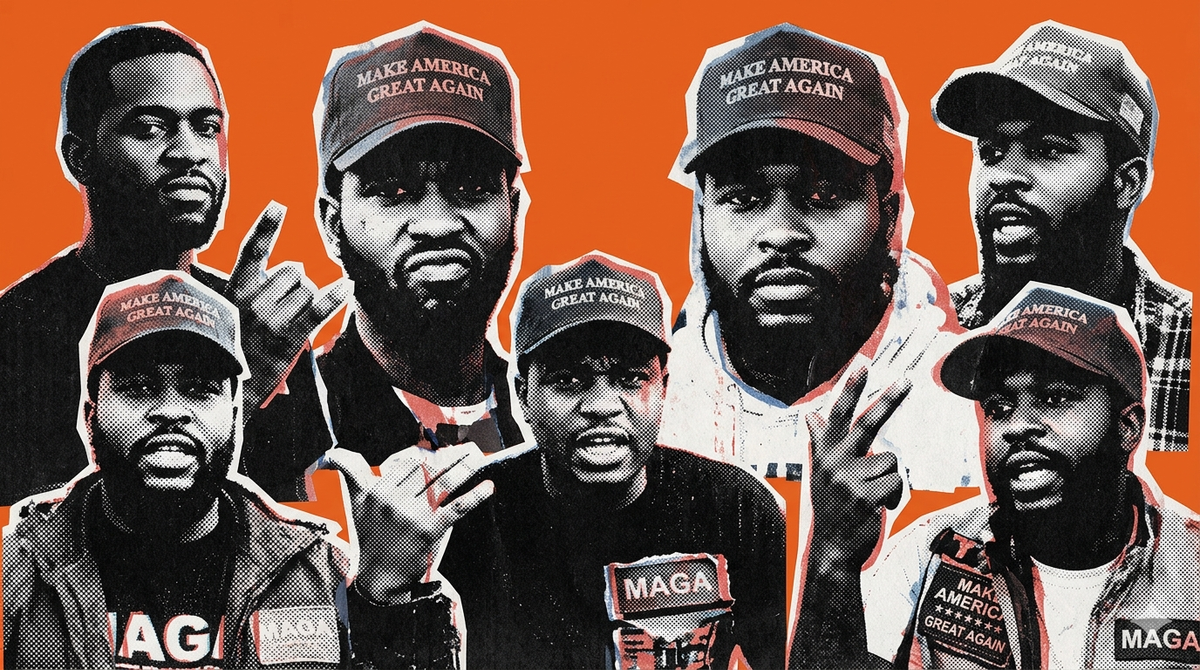
Former CNN anchor Don Lemon has launched a blistering attack on Black and gay supporters of the MAGA movement, calling them "self-hating," "naive," and "pick-mes" during an episode of his YouTube show LEMON DROP.
The openly gay journalist, who has become an increasingly vocal figure of political resistance since his departure from CNN and subsequent arrest at an anti-ICE protest earlier this year, did not mince his words when addressing what he sees as a fundamental contradiction in queer and Black allegiance to the Trump political project.
"I can't see how gay people can be part of a party that doesn't even believe that they should exist," Lemon said. "That doesn't believe that they are deserving of the rights of every American."
His comments on Black MAGA supporters were equally pointed, with Lemon arguing that the erosion of voting rights under the current administration makes such support unconscionable. "I cannot understand how anyone could be Black and be a MAGA supporter right now with what has happened with voting rights in this country," he said, before offering his characterisation of those who do align themselves with the movement.
"Self-hating is one term that I would use for it. Naive is another. And then, a milder term would be, 'pick me.'"
The remarks will inevitably reignite a long-running debate within LGBTQ+ communities, and particularly among queer people of colour, about the politics of belonging and the price of proximity to power. The "pick me" label, borrowed from Black cultural vernacular and popularised through social media, describes someone who performs compliance or exceptionalism in an effort to win favour from a group that broadly marginalises people like them. Lemon's use of the term is significant precisely because it names a dynamic that many queer and Black commentators have discussed for years, but rarely with such bluntness from a figure of his platform.
It is worth noting that Lemon's own 2026 has been anything but quiet. In January, he was arrested by federal agents in Los Angeles in connection with an anti-ICE protest that disrupted a church service in Minnesota. He subsequently pleaded not guilty, with a federal magistrate judge having previously rejected prosecutors' initial attempt to bring charges. The arrest positioned Lemon firmly as a confrontational presence in the broader resistance to the Trump administration's immigration enforcement policies, and his willingness to be physically present at protests rather than simply commentating from a studio has reshaped his public persona considerably.
That persona was also tested earlier in the year when rapper Nicki Minaj directed homophobic abuse at Lemon following his involvement in anti-ICE activism. He responded on TikTok, calling her "a homophobic bigot," a moment that drew widespread attention and highlighted the persistence of casual homophobia even within communities that share overlapping experiences of marginalisation.
Lemon's latest remarks sit within a broader pattern of increasingly fractured discourse around queer identity and political alignment, particularly in the United States. The second Trump administration has accelerated anti-LGBTQ+ policy at both federal and state levels, from restrictions on gender-affirming healthcare to executive orders targeting transgender rights. Against that backdrop, the question of why any queer person, and especially any queer person of colour, would align with MAGA is not merely rhetorical; it is, for many, existential.
The counterargument, often advanced by conservative LGBTQ+ commentators, holds that political identity need not be determined by sexuality or race, and that economic or foreign policy concerns can legitimately outweigh social issues. Lemon, clearly, has little patience for that position, and his willingness to use such visceral language suggests he views the stakes as too high for diplomatic hedging.
Whether that approach persuades anyone or simply deepens existing divisions remains, as ever, an open question.