London Pride 2026: Parade Route, Performers, Stages And Survival Guide
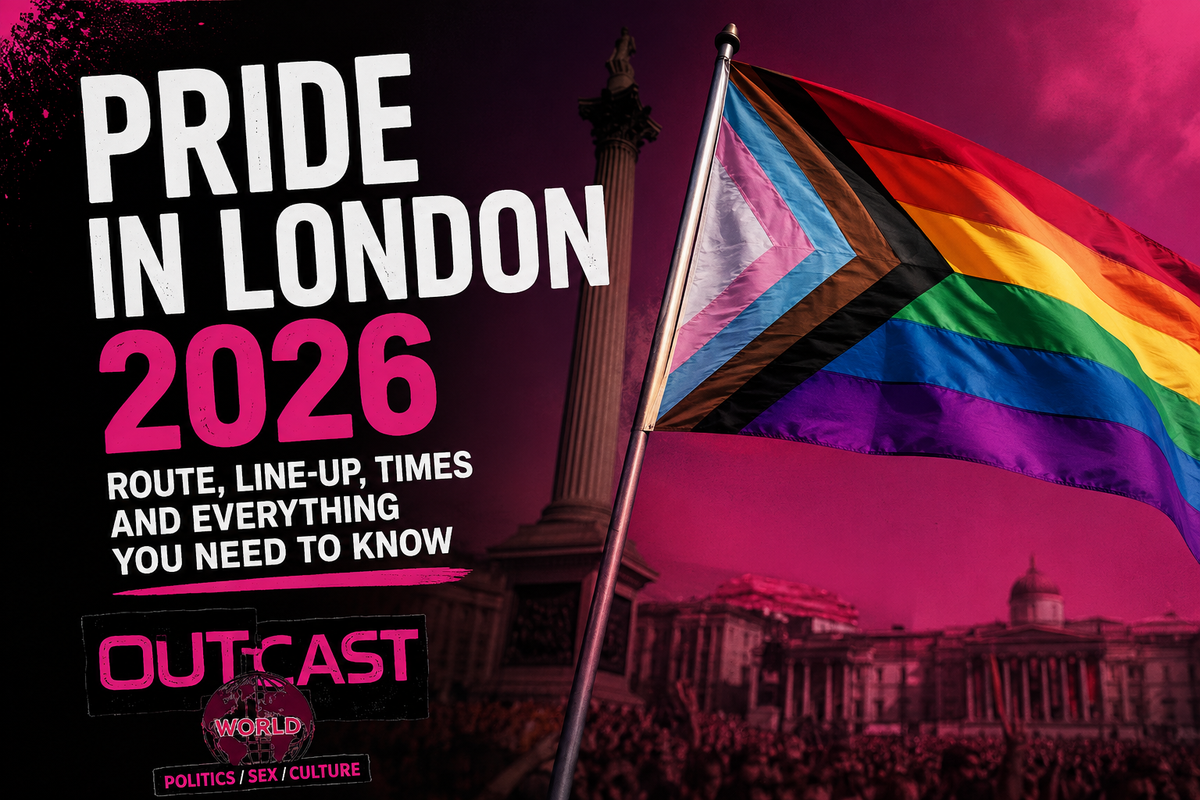
London is preparing to turn rainbow once again as Pride in London returns on Saturday 4 July 2026, bringing together activists, performers, community groups and hundreds of thousands of LGBTQ+ people and allies from across the UK and beyond.
Organisers expect another huge turnout, with around 1.5 to 1.8 million people expected to take part in celebrations across central London, making it one of the largest Pride events anywhere in Europe.
Pride Is Still A Protest
While Pride has become known for its music, colour and celebration, organisers continue to stress that the event remains rooted in activism and visibility.
The 2026 event takes place under the theme "Many Voices. One Front", highlighting solidarity across LGBTQ+ communities at a time when trans rights, healthcare access and anti-LGBTQ+ rhetoric remain major political issues both in the UK and internationally.
What Time Does The Parade Start?
The famous Pride in London Parade begins at midday on Saturday 4 July.
Marchers will set off from Hyde Park Corner before travelling through some of London's most recognisable streets:
• Hyde Park Corner
• Piccadilly
• Piccadilly Circus
• Haymarket
• Trafalgar Square
• Whitehall
The parade is expected to continue throughout the afternoon, with the final groups arriving around 6pm.
More than 30,000 participants are expected to take part, representing hundreds of community organisations, charities, employee networks and LGBTQ+ groups.
Six Stages Across Central London
Away from the parade route, Pride in London will host multiple performance and community spaces celebrating different parts of the LGBTQ+ community.
The flagship stage in Trafalgar Square will feature Grammy-nominated singer MNEK alongside Beth Ditto, Leo Kalyan, Le Fil and a range of performers, speakers and activists.
Other stages include:
LGBTQIA+ Women and Non-Binary Stage
Located in Leicester Square, showcasing artists, performers and community voices.
Global Majority Stage
Hosted in Golden Square and celebrating Black, Brown, Asian, Indigenous and dual-heritage LGBTQ+ communities.
Trans and Non-Binary Community Stage
Based in Soho Square and dedicated to trans, non-binary and gender-diverse voices.
Cabaret Stage
A mixture of drag, comedy, music and performance art in the heart of Soho.
Expect Huge Crowds
Pride in London regularly attracts more than a million visitors and central London becomes exceptionally busy throughout the day.
If you're planning to watch the parade, organisers recommend arriving early, particularly around Piccadilly Circus, Trafalgar Square and Whitehall, where viewing areas can fill quickly. Comfortable footwear, water and a fully charged phone are also strongly advised.
Why Pride Matters In 2026
This year's event arrives during a period of growing debate around LGBTQ+ rights, particularly concerning trans inclusion, healthcare access and rising anti-LGBTQ+ political rhetoric in several countries.
For many attendees, Pride remains as much about visibility and solidarity as it is celebration.
More than five decades after the UK's first Pride march, the annual gathering continues to serve as both a party and a reminder that progress cannot be taken for granted.
As thousands take to the streets of London this July, the message remains simple: LGBTQ+ people are here, visible and unapologetically part of modern Britain.
Pride in London takes place on Saturday 4 July 2026. Entry to the parade and official stages is free.