The Man Who Built Channel 4 and a contestant who survived it have come to the same conclusion
When Lord Grade, who ran Channel 4 across two of its defining decades and went on to chair Ofcom, was asked about Married at First Sight this week, he did not reach for the diplomatic language you might expect of a man who has spent half a century deciding what the British public gets to watch. He said he would never have commissioned it, and that he would not touch the format with a barge pole. Coming from him, that was not idle disapproval, it was a verdict from the top of the industry, and it shifted the conversation about the programme somewhere it had not yet been, away from whether a single production had failed its contributors and towards the far more uncomfortable question of whether a show built this way can ever be made safe.
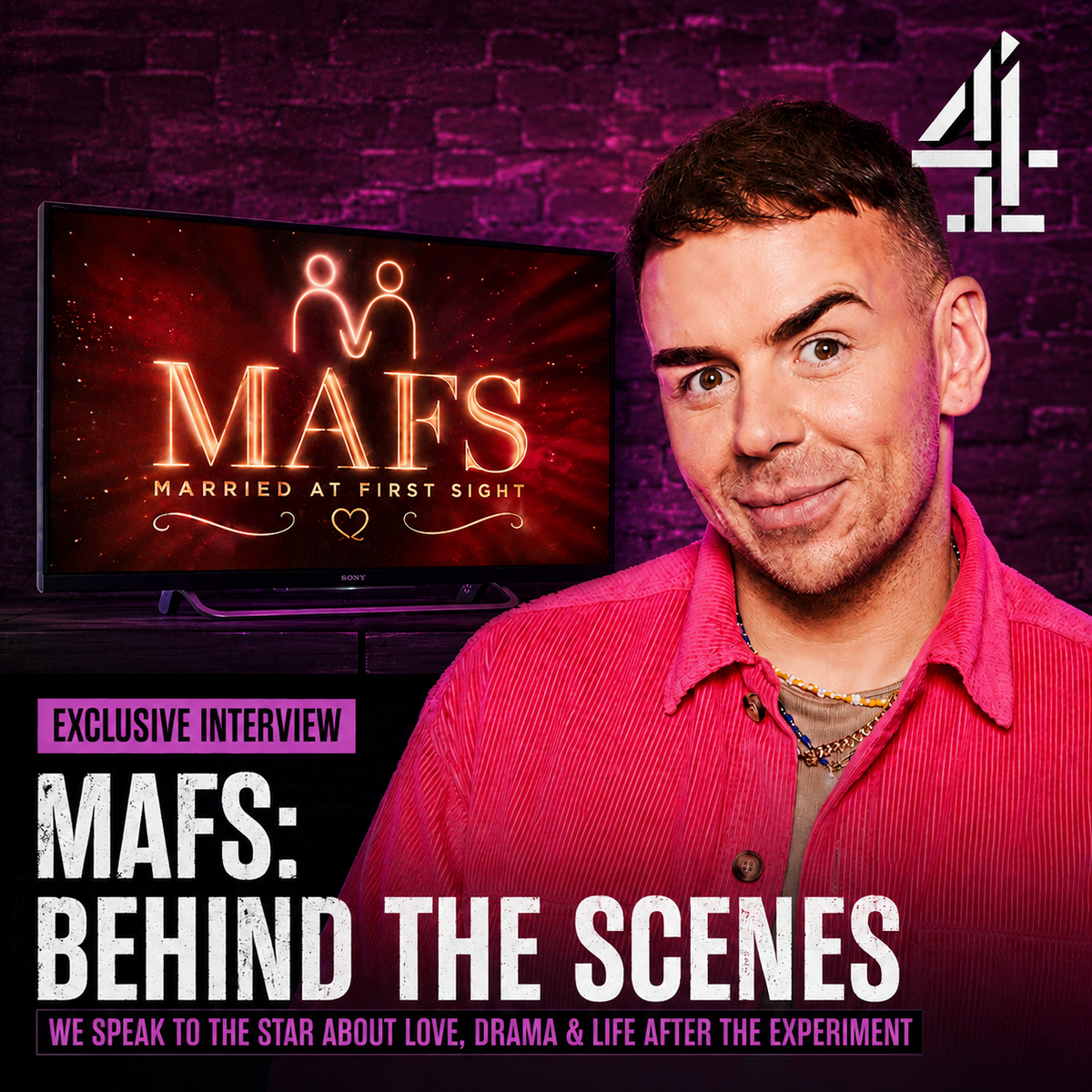
It was that question we put to Thomas Hartley when he joined me from a beach in Cyprus, because if anyone is qualified to answer it, it is the people who lived inside the format rather than the people who commissioned it from a distance. Hartley went on the 2022 series and became, by his own cheerful admission, its most outrageous contestant, and he has spent the time since getting sober and looking back at the machine he was fed into. He did not equivocate. He told me the format is dangerous, and he said it twice, and he meant the structure of the thing, the putting of strangers into flats together, the hostility it manufactures, the risk it builds in before a single camera rolls.
What makes that worth your attention is not that a reality star said something provocative, which is the cheapest currency there is, but that he arrived, from the inside and from the bottom, at almost exactly the place Grade arrived at from the outside and the top. Two men who could not be less alike, the patrician broadcaster and the working class Scouser who drank his way through the experience, looking at the same programme and reaching the same conclusion. When the establishment and the survivor agree, the people in the middle, the ones still making and defending these shows, are running out of room to stand.
The context for all of this is grave, and it should be stated plainly rather than hinted at. A BBC Panorama investigation set out allegations from former contributors that two people were raped by on-screen partners during filming, and that a third was subjected to a non-consensual sex act. The people involved deny the allegations, and the police have asked anyone affected to come forward. Channel 4 has since pulled every episode, a major sponsor has walked away, and the regulator is now reviewing the broadcaster's own welfare report. Channel 4 has told MPs that it knew some, though not all, of the information behind the allegations before the relevant series was broadcast.
Hartley is neither an accuser nor one of the accused, and he was careful, throughout, to speak only to his own experience and to insist that the people who have come forward be heard without comment, without remark and without cruelty. But he was clear that the answer cannot be cosmetic. His proposal was the one that keeps surfacing whenever you talk to people who have actually been through these formats, which is that the contributors themselves, the ones who carry the consequences long after the edit has aired, should be brought in on an advisory basis to redesign how the shows are made. Not a focus group after the fact, but a hand on the wheel.
That is the part the industry will resist, because it cedes control, and control is the whole point of the format. Grade's barge pole and Hartley's dangerous are, in the end, the same observation made in two accents, that you cannot engineer conflict between strangers, film it around the clock, and then act surprised when people are hurt. The question now is not whether the format has a problem. The two men at opposite ends of it have settled that between them. The question is whether anyone with the power to change it is listening, or whether they are waiting, as they always seem to, for the noise to die down.