BBC Cancels Groundbreaking Queer Dating Shows as Stars Speak Out
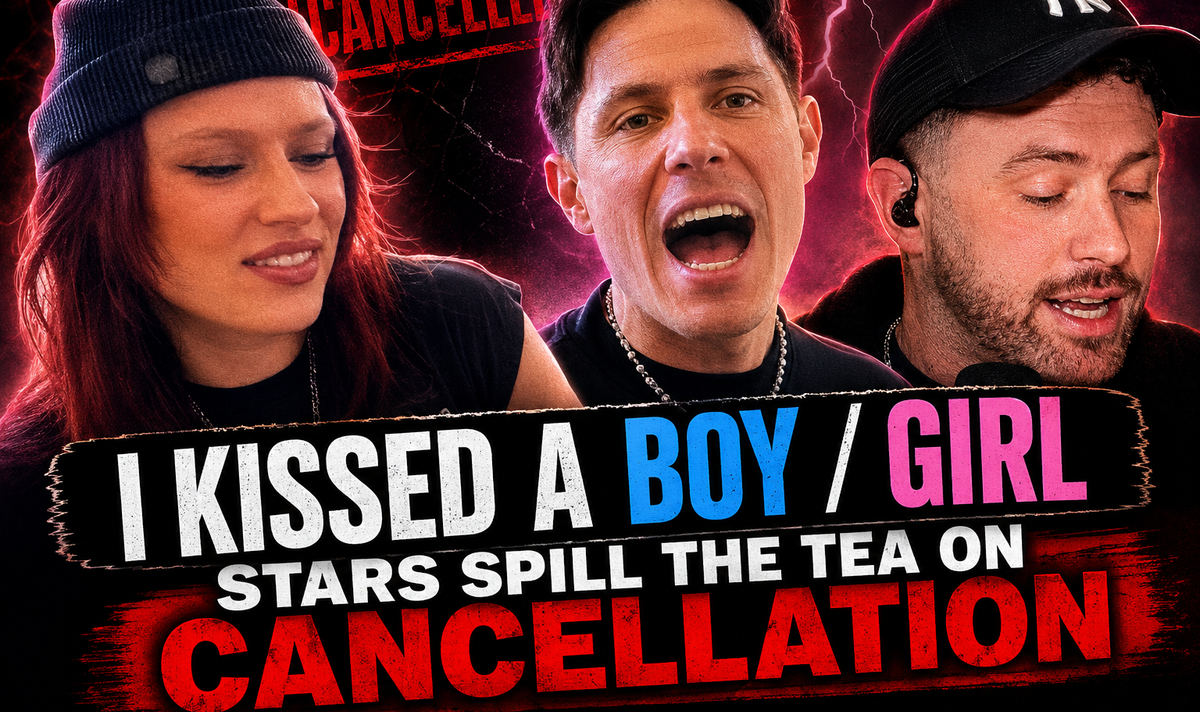
The BBC’s decision to cancel I Kissed A Boy and I Kissed A Girl has reignited questions about the fragility of queer representation on mainstream television.
Both shows were, by any reasonable measure, landmark moments. I Kissed A Boy, launched in 2023, was the UK’s first ever gay dating show. A year later, I Kissed A Girl followed, centring queer women in a format that had historically excluded them. Both were filmed in Italy, hosted by Dannii Minogue, and widely regarded as culturally significant.
And then, in March, they were pulled.
“Funding challenges,” was the official explanation. It is the sort of vague, catch-all phrase that tends to obscure more than it reveals.
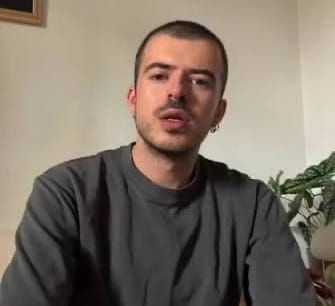
Speaking on Outcast World, Gareth Valentino and Amy Spalding, both breakout figures from the shows, were clear about the impact. You can watch this episode at the bottom of this page.
“It feels unfair,” Spalding said. “Gay people and lesbians are taxpayers too. We should be able to see ourselves reflected on screen.”
The argument is not just about numbers. Even if queer shows attract smaller audiences than their straight counterparts, that disparity is structural. When the majority of television remains heterosexual by default, minority representation will always appear “niche” by comparison.
Yet both guests pushed back on the idea that these shows underperformed at all. Audience engagement, they said, was global and sustained, with viewers reaching out from across the UK and beyond.
The deeper concern is what the cancellation represents.
Four in ten queer TV characters introduced in the past year are reportedly not returning in 2026. Against a backdrop of shifting political sentiment, particularly in the US and increasingly in the UK, there is a growing sense that queer visibility is no longer moving in a straight line forward.
“It’s a knock-on effect,” Valentino suggested, pointing to the wider political climate. “The rhetoric at the top trickles down.”
That tension, between cultural progress and institutional retreat, is becoming harder to ignore.
At the same time, both Valentino and Spalding are part of a broader shift away from traditional television altogether. Their new podcast, It Started With A Kiss, reflects a growing migration of queer storytelling into more flexible, less regulated spaces.
“TV is getting cheaper,” Graeme Smith noted during the conversation. “Podcasting’s getting more visual. The two are meeting somewhere.”
That “somewhere” may well be where queer voices find their next phase of growth, less dependent on legacy broadcasters, and less vulnerable to sudden reversals.
Watch the episode here below.
Gareth Valentino & Amy Spalding on Series 7 Episode 1 of OUTCAST WORLD