Stonewall’s hate crime reform push is the kind of progress queer Britain actually needs
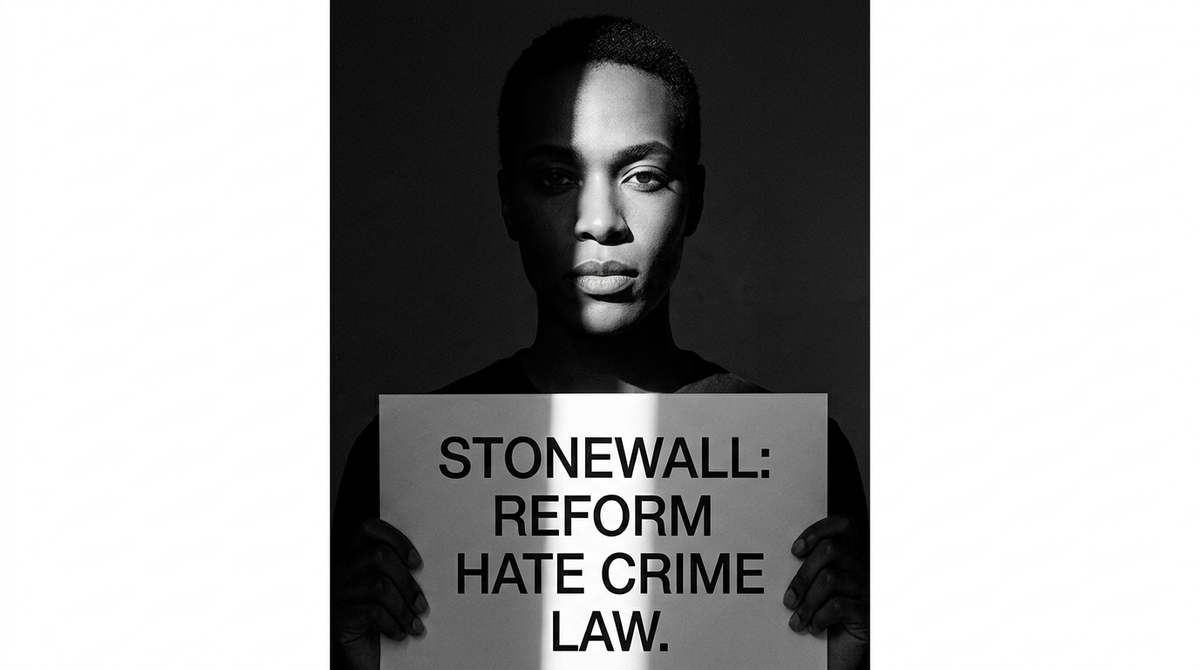
There are weeks when queer news is defined by backlash, and weeks when the counter-pressure finally shows its face. This is one of the latter. Stonewall has reported that the House of Lords has passed an amendment intended to make anti-LGBTQ hate crime an aggravated offence, and that matters because legal language does not just describe the world. It helps shape what the world thinks is acceptable.
The significance of this move lies in what it says about seriousness. Too often, anti-LGBTQ abuse is treated as a side issue, a social ill that everyone condemns in principle while doing very little about in practice. That gap between rhetoric and consequence is where so much harm takes hold. People know the insults, the threats and the violence are real. What is less often acknowledged is how often institutions fail to treat them with the urgency they deserve.
If this reform goes further, it would mark an important shift in how the law recognises the specific vulnerability of LGBTQ people. That is not about creating special treatment. It is about recognising that some attacks are not random, but targeted, and that the motive matters. A legal system that cannot name that clearly is a legal system that leaves too much space for prejudice to hide inside general categories.
For queer readers, and particularly for trans readers, this kind of development matters because it signals that the law can still move toward protection rather than only toward restriction. The last few years have made it feel as though every step forward is met by three steps back, often in the form of public language that pretends hostility is merely a disagreement. But hate crime is not a disagreement. It is an attempt to intimidate, isolate and silence.
Stonewall’s role here also matters. The organisation has long been a lightning rod, but it remains one of the few names in British public life that can still turn a legal or political development into something that registers beyond Westminster. That does not solve the problem, of course, but it helps keep pressure on the system when the wider culture would often rather move on.
The broader point is that law is one of the few places where moral seriousness can be translated into consequence. If Parliament is prepared to move on anti-LGBTQ hate crime, then it is at least acknowledging that queer people deserve more than symbolic support. They deserve protection that means something. That may not be the end of the fight, but it is a step worth noting, because good law does not emerge from nowhere. It has to be fought for, pushed through, and defended.