Bridgerton Goes Sapphic
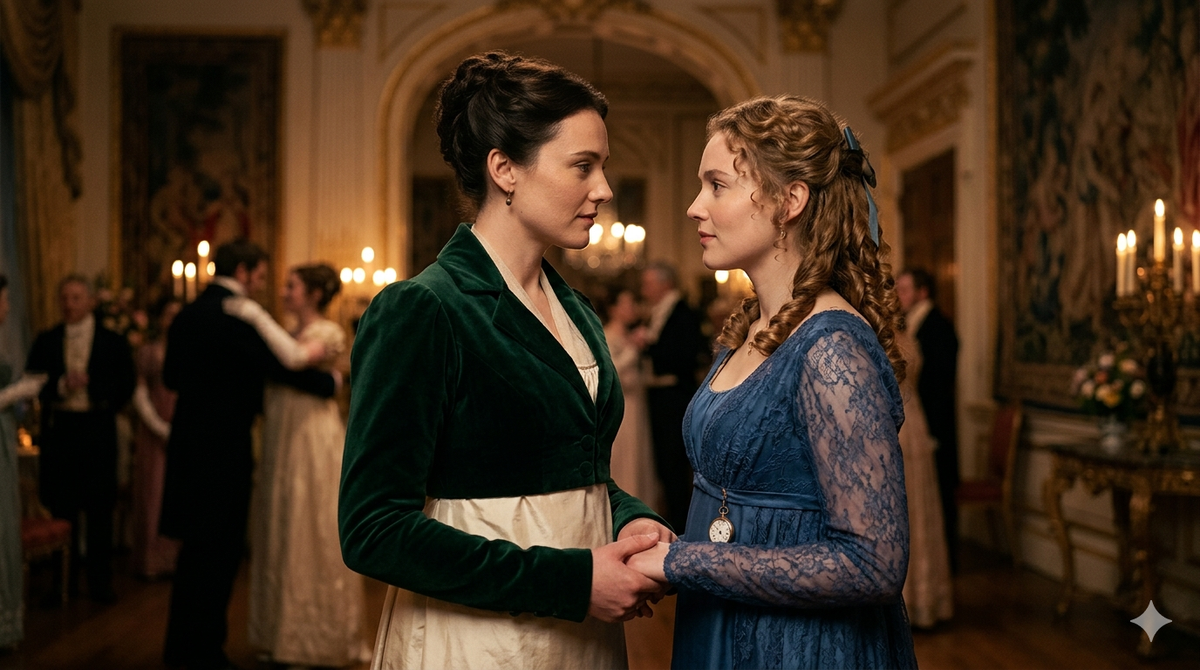
Netflix confirmed this week that Bridgerton season five will centre entirely on a same-sex love story. Francesca Bridgerton — the quiet, introverted middle sister played by Hannah Dodd — and Michaela Stirling, played by Masali Baduza, will lead the season as its romantic couple. It's the first time the show has built an entire season around a queer relationship, and it's now officially in production outside London.
The setup picks up two years after the death of Francesca's husband John in season four. Francesca re-enters the marriage market for practical reasons. But when John's cousin Michaela returns to London, complicated feelings resurface. Michaela is a gender-swapped version of the character Michael from Julia Quinn's novels, and her arrival at the end of season four — and abrupt departure — left fans desperate for answers. Season five will deliver them.
Showrunner Jess Brownell has been unequivocal about the tone. She's described the season as being built on "big-time yearning" and "queer joy." Not queer trauma. Not a coming-out crisis. Joy. That distinction matters enormously, because for decades, queer love stories on screen have been filtered through suffering. The dead lover. The rejection. The AIDS diagnosis. The hate crime. Bridgerton is promising something different: a sapphic romance wrapped in silk, candlelight, and the full fantasy machinery of one of the biggest shows on the planet.
Hannah Dodd put it simply: queer love stories have traditionally been excluded from period dramas, and queer people existed, have always existed, and will always exist. They deserve a love story just like everybody else. Masali Baduza echoed that, saying what they want to achieve is a realistic view of queer love onscreen — and a happily ever after. She said it's important for the queer community to see that it can work out. That they deserve to feel love.
The significance here goes beyond representation for representation's sake. Bridgerton is a global phenomenon. It's watched in 190 countries. It's the show your mum watches, your straight colleagues talk about at lunch, your nan has opinions on. Placing a sapphic love story at its centre normalises queer romance in spaces where it's rarely seen — not niche streaming platforms or festival films, but mainstream, Saturday-night, everyone's-watching television.
Brownell has also confirmed she's selecting songs by out queer artists for the season's signature orchestral pop covers, weaving queerness into the show's DNA at every level.
Of course, the backlash is already warming up. Some fans of the books are unhappy about the gender swap. Others will have louder, uglier objections. But that's precisely why it matters. The Regency ballroom has always been a fantasy. Now it's a fantasy where two women can fall in love at its centre, with all the longing and drama and eventual happiness that every Bridgerton sibling before them has been given.