GOVERNMENTS & HACKERS ARE MONITORING LGBTQ'S
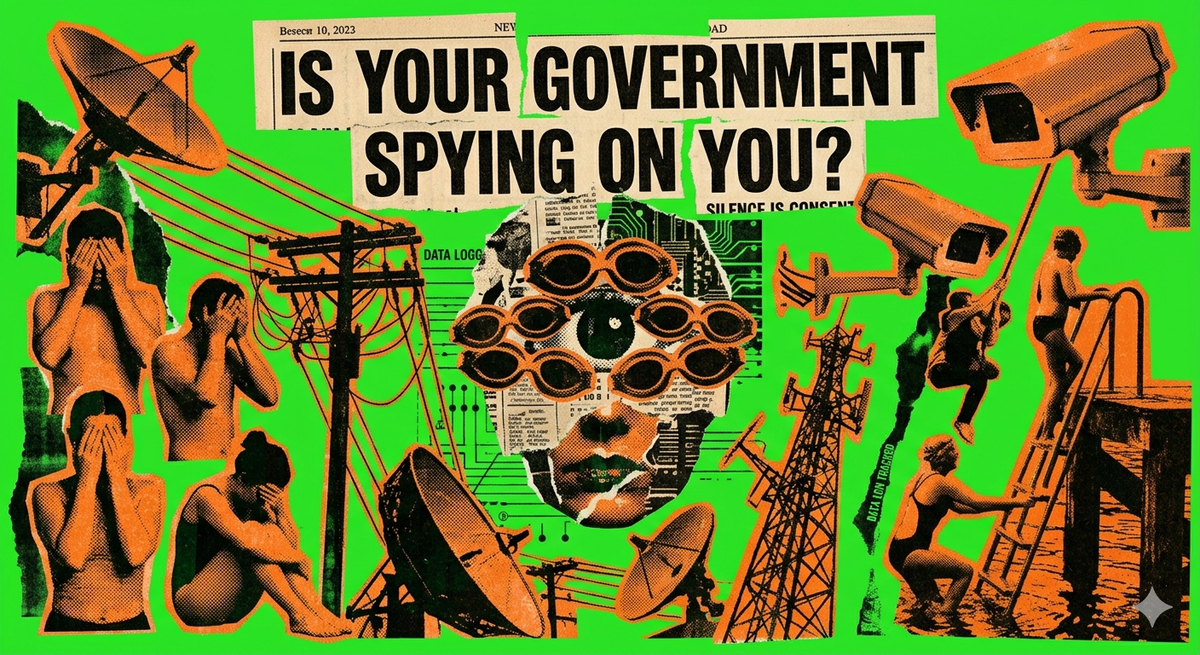
In the 1950s, the US government systematically purged gay and lesbian employees from federal positions. They called it the Lavender Scare. People lost careers, homes, and lives — not because of anything they'd done, but because of who they were. It was surveillance dressed up as national security. It was state-sponsored destruction of queer lives, powered by filing cabinets and whispered accusations.
Seventy years later, the filing cabinets are algorithms. And the scare is back.
In 2025, the US Department of Homeland Security quietly removed sexual orientation and gender identity from its list of protected categories in intelligence activity guidelines. That means DHS personnel are no longer explicitly prohibited from conducting surveillance based on someone's queerness. Around the same time, roughly 100 LGBTQ+ intelligence officials were reportedly fired across US government agencies. Social media screening by employers — once a fringe practice — is now routine. Your Instagram grid, your Twitter likes, your TikTok history: all of it is fair game for anyone deciding whether you're hireable, trustworthy, or safe.
For LGBTQ+ people, this isn't abstract. It's existential. Your digital footprint can out you to an employer before you've even walked into the interview. A Pride photo from three years ago. A follow list that skews queer. A dating app notification that pings at the wrong moment on a shared screen. In countries where homosexuality is still criminalised — 64 nations and counting — your browsing history can literally get you killed.
GLAAD's Social Media Safety Index has given every major platform a failing grade on LGBTQ+ safety for four consecutive years. The platforms collect vast amounts of data, infer identities through algorithmic profiling, and serve targeted advertising that can effectively out users to anyone paying attention. Meanwhile, content moderation swings wildly between under-policing hate speech and over-policing legitimate queer expression. Accounts get shadowbanned for using words like "gay." Conversion therapy content stays up. The system isn't broken — it was never built for us.
And it's getting worse. Tech companies that once at least gestured toward LGBTQ+ inclusion are now rolling back safety policies in line with the broader DEI retreat. Protections against misgendering and deadnaming are being quietly dropped. Transparency reports are getting thinner. The people who used to advocate internally for queer users are being laid off alongside everyone else.
So what can you actually do? Start with the basics. Lock down your social media accounts. Use encrypted messaging. Be deliberate about what's public and what isn't. Understand that your digital life is not private by default — it's public by design, and you have to actively claw back every inch of privacy you want to keep.
And use a VPN. Not as a silver bullet, but as a foundational layer of protection. A VPN encrypts your internet connection, masks your location, and makes it significantly harder for anyone — platforms, employers, governments — to track your online activity. If you're browsing LGBTQ+ content, using dating apps, or accessing resources in a hostile environment, a VPN is the minimum. It won't solve systemic surveillance. But it puts a wall between your private life and the people who have no right to see it.

Protect your privacy : 75 percent off the fastest and most secure on the market - Nord VPN using our link below.