LONDON POLICE IN ANOTHER HOMOPHOBIA INVESTIGATION AFTER DEATH OF 19 YEAR OLD STUDENT
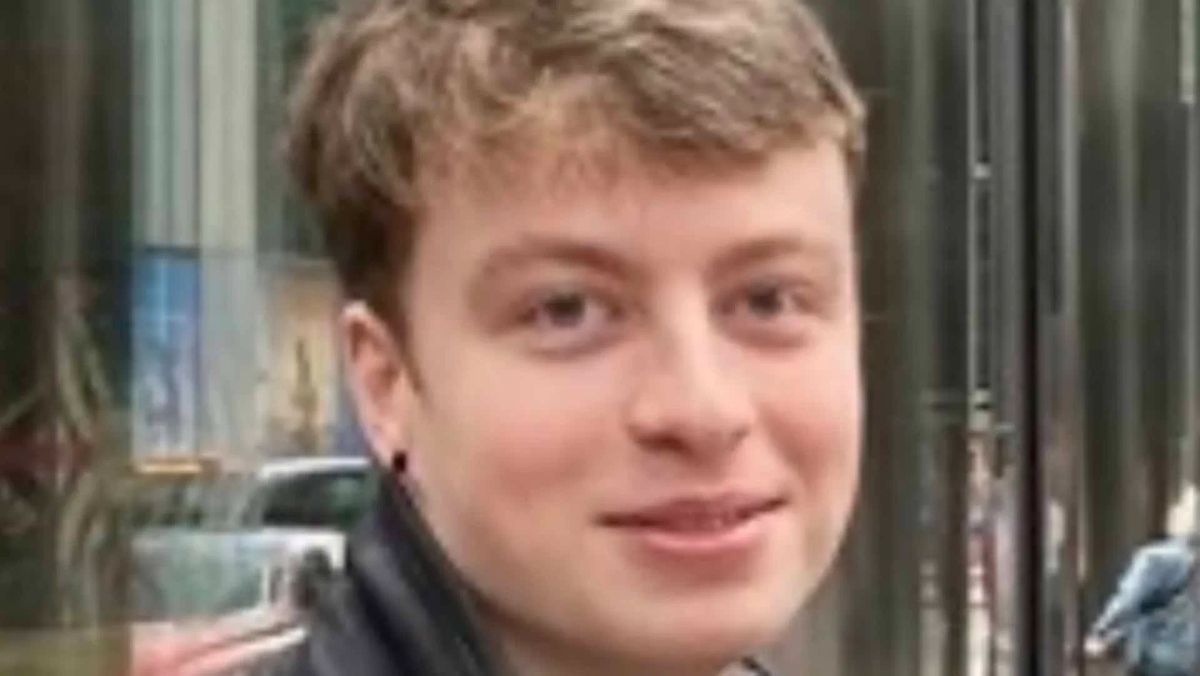
His Name Was Edward Cornes
Edward Cornes was nineteen years old. A student. Someone's son. In 2021, he was found dead in the basement of a King's Cross hotel after meeting two older men in their fifties. Two men were arrested on suspicion of murder, then released without charge. His mother, Miriam Blythe, has spent four years asking questions that nobody in authority seems willing to answer properly. This month, the Independent Office for Police Conduct finally opened a formal investigation into how the Metropolitan Police handled the case. It is about time.
The allegations are damning. Lost evidence. Poor communication with the family. And, at the centre of it all, claims that homophobia shaped the way officers approached the investigation — that they focused on Edward's sexuality and lifestyle rather than the facts of his death. A post-mortem found alcohol, crystal meth, and GHB in his system. For too many people, that was apparently enough to close the book. A young gay man, drugs associated with chemsex, an uncomfortable scene — and suddenly the curiosity dries up. The urgency fades. The family is left holding a file full of holes.
We have seen this before. We have seen it so many times it has its own grim rhythm. A queer person dies in circumstances that deserve scrutiny. The institutions responsible for investigating shrug, because the life that ended doesn't quite fit the template of a victim worth fighting for. Stephen Port murdered four young men in east London between 2014 and 2015, and the Met missed it — partly, an inquest found, because of a catalogue of failures shaped by assumptions about gay men and the risks they supposedly accept. The lesson was meant to have been learned. Clearly it was not.
Commander Stephen Clayman has apologised on behalf of the Met, acknowledging that aspects of the investigation fell below expected standards — while insisting the outcome itself was unaffected. That is a very specific kind of apology. The kind that says we got it wrong, but not in a way that matters. Tell that to Miriam Blythe, who has spent four years grieving a son while simultaneously fighting the people who were supposed to help her understand how he died.
GHB and GBL remain among the most dangerous substances circulating in queer nightlife and hookup culture. They are easy to misjudge. They are easy to administer to someone else. That does not make every death involving them a murder — but it makes every one worth investigating thoroughly, without prejudice, and without the quiet institutional assumption that this is just what happens to people like us.
Edward Cornes deserved better. He deserved an investigation driven by evidence, not shaped by discomfort with his identity. His mother deserved honesty, not years of evasion. And the queer community deserves to know that when one of us dies in suspicious circumstances, the police will treat it with the same gravity they would afford anyone else.
The IOPC investigation is in its early stages. We will be watching.
His name was Edward Cornes. Say it. Remember it.