Orbán’s Defeat Opens a Door. The Question Is What Comes Through It.
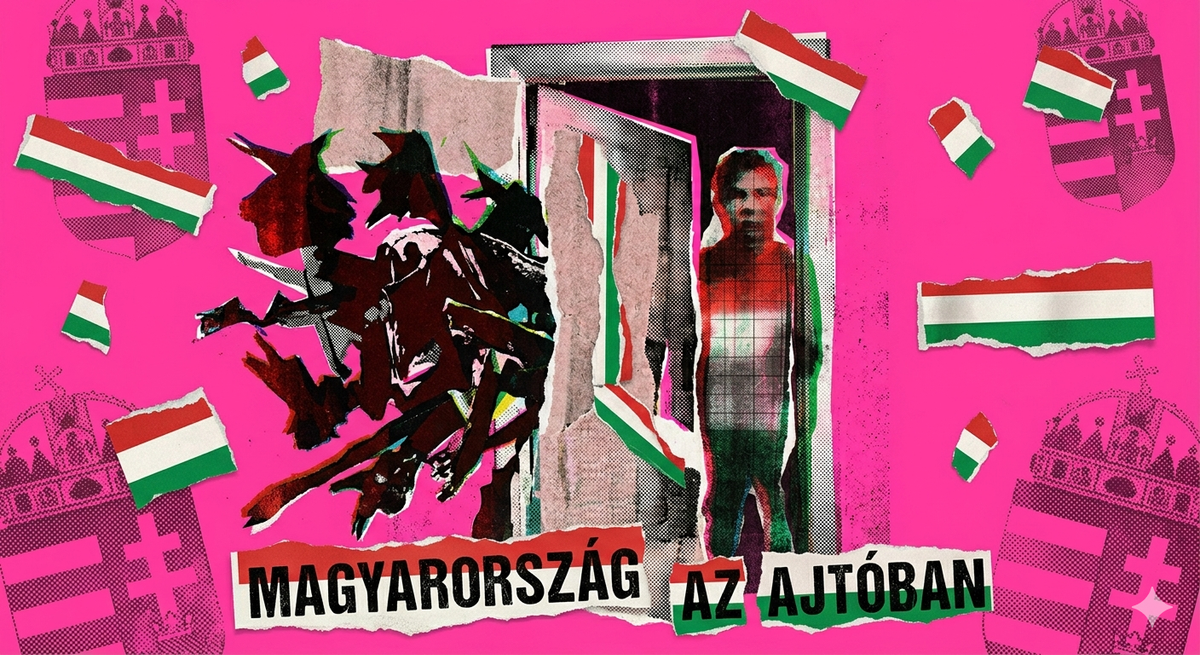
The EU’s ruling against Hungary’s anti-LGBTQ+ laws lands at a moment of real political rupture, and that is what makes it so important. For years, Viktor Orbán’s government was treated as one of the defining symbols of Europe’s rightward drift: a state that turned queer people into an enemy within, used “family values” as a political weapon, and exported the language of anti-gender panic far beyond Budapest. Now Orbán’s rule has ended, with Hungary voting for change and handing power to Péter Magyar’s Tisza party. That does not erase the damage. It sharpens the question of what happens next.
This is not just a legal story. It is a story about political culture, democratic repair, and the long tail of institutional harm. Orbán did not only pass hostile laws; he built a whole ecosystem around them. That ecosystem included media narratives, loyalist institutions, conservative alliances, and transnational networks that helped make anti-LGBTQ+ politics feel ordinary, even respectable, to parts of the European right. Once that happens, a ruling from a court, however powerful, is only the beginning of the work. It can stop one form of discrimination from hardening into permanence. It cannot, by itself, dissolve the culture that made it possible.
That is why the timing matters. If this ruling had landed when Orbán seemed immovable, it would still have been significant. But landing now, after his defeat, it becomes part of a larger story: the politics of backlash can be beaten. Not easily. Not cleanly. Not in a way that erases the pain already caused. But beaten, yes. That is important for queer readers to hear, because too much commentary around anti-LGBTQ+ politics has a habit of sounding as though the reactionary forces are somehow inevitable. They are not. They are built. Which means they can be dismantled.
Hungary is now in a transition that could go in several directions. On one hand, there is hope. A change in government opens space for institutional repair, better relations with the European Union, and a less openly hostile climate for LGBTQ+ people. On the other hand, no election automatically rewrites the habits of a country shaped by years of state-backed scapegoating. The laws may change faster than the attitudes. The rhetoric may outlast the administration. People who learned that queer people are useful targets do not unlearn that lesson overnight.
That is why “post-Orbán” should not be mistaken for “post-Orbánism.” The man may be out, but the political residue remains. In some ways, that residue is the harder problem. The legal framework can be amended. The media environment can be challenged. But the deeper culture of fear, the instinct to frame queer visibility as a threat, and the wider European network that Orbán helped legitimise will all need sustained pressure to unwind. That means civil society, journalists, campaigners, and progressive politicians have to treat this moment not as a victory lap, but as an opening.
The European dimension is also crucial. Hungary was never just a domestic story. It became a model for the European far right: proof, in their eyes, that anti-LGBTQ+ politics could be statecraft rather than fringe provocation. That made Orbán unusually influential. He gave other politicians a script. He showed how to wrap hostility in the language of sovereignty, tradition, and protection. That script has travelled well. It has appeared in debates over schools, gender recognition, “parental rights,” trans healthcare, and Pride itself. So when the EU pushes back against Hungary, it is not only responding to one state’s laws. It is challenging a template.
That is the progressive lesson here. Rights are not secured by symbolism alone, and they are not defended by polite disagreement. They are defended when institutions are willing to confront power, when courts draw lines that politicians cannot cross, and when public pressure makes it harder for scapegoating to remain profitable. For LGBTQ+ people, especially trans people, the stakes are immediate. Every time a government turns queer equality into a culture war, it creates permission for harassment, discrimination, and violence in ordinary life. That is why these rulings matter beyond the legal sphere. They shape the atmosphere in which people live.
There is also something deeply European about this moment. The EU has often been accused, not unfairly, of sounding principled while moving too slowly when rights are under attack. Hungary tested that patience for years. If the bloc is serious about its own values, it must show that those values are not optional in member states that become politically inconvenient. Otherwise, “European values” become branding rather than principle. This ruling matters because it suggests the Union still has at least some capacity to enforce the standards it claims to stand for.
For queer readers, the deeper significance is not only that Orbán has lost power, but that the story is no longer frozen. The feeling of inevitability that surrounded him has cracked. That matters psychologically as much as politically. When reactionary leaders present themselves as unstoppable, they do two things at once: they intimidate opponents and encourage complacency. A defeat breaks that spell. It tells people on the receiving end of the hostility that the future is not fixed.
But this is where optimism has to stay disciplined. Change in Hungary will not be measured by one election or one ruling. It will be measured by whether the new political era actually restores rights, rebuilds trust, and refuses the old habit of treating queer people as expendable. It will be measured by whether civil society gets room to breathe again. It will be measured by whether schools, courts, broadcasters, and lawmakers stop echoing the old culture-war reflexes. And it will be measured by whether LGBTQ+ Hungarians can live more openly without being made into public enemies.
That is why this story deserves attention. It is not a neat triumph. It is a contested opening. The EU has pushed back. Orbán has fallen. The damage remains. And that combination is exactly what makes the moment worth writing about. Not because the fight is over, but because it is finally possible to imagine a different outcome.